


If you have seen “JSP” pop up in a text, a TikTok comment, or a Snapchat reply and had no idea what it meant, you are not alone. This tiny three letter abbreviation shows up everywhere in 2026, and it can mean several different things depending on who sent it and where.
This guide breaks down every real meaning of JSP, where the term came from, how it changes across platforms, and how to use it correctly so you never send the wrong vibe again.
What Does JSP Mean?
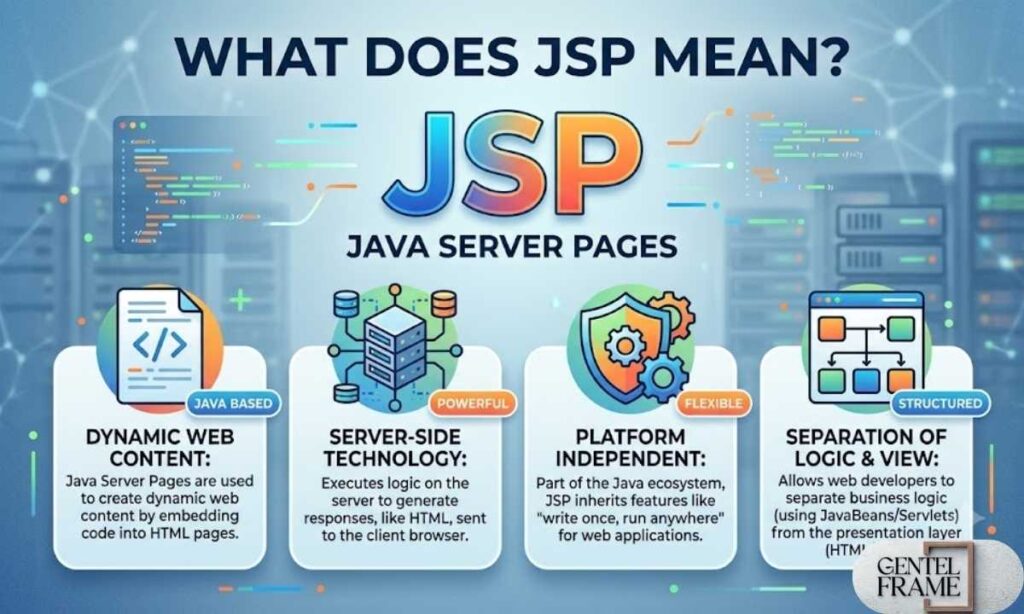
JSP most commonly stands for “Just Playing.” People use it to show they are joking, teasing, or being sarcastic rather than serious. Depending on the context, it can also mean “Just Saying,” “Just Stop Playing,” or the French phrase “je sais pas” (I don’t know).
That range of meanings is exactly why JSP causes confusion. The letters stay the same, but the intent behind them shifts based on tone, the app it appears on, and who is typing it. Reading the sentence before and after JSP almost always makes the real meaning obvious.
Origin and History of “JSP”
JSP did not come from one single source. It actually grew out of a few different texting habits that ended up sharing the same three letters.
- Just Playing likely evolved from “JK” (Just Kidding), as texting culture pushed people to compress everyday phrases into shorter forms.
- Just Stop Playing started as a spoken slang phrase telling someone to quit joking or acting dramatic, later shortened for typing speed.
- Just Saying grew from people wanting to soften an opinion so it did not come across as harsh or argumentative.
- Je sais pas, the French phrase for “I don’t know,” has existed in casual spoken French for generations. It jumped into English speaking spaces mostly through TikTok comment sections under French creators’ videos.
There is also a completely unrelated technical meaning. In web development, JSP stands for JavaServer Pages, a technology released by Sun Microsystems in 1999 for building dynamic web pages using Java. It has nothing to do with the slang term and predates it by decades. If you see “JSP” on a coding forum or in a tech job listing, that is almost certainly what is being referenced, not the text slang version.
By the early 2020s, the slang version of JSP had spread widely across group chats and comment sections, mostly among users between the ages of thirteen and thirty.
Click Here To Read Another Topic
How “JSP” Is Used on Different Platforms

The core meaning of JSP does not change much between apps, but the way people use it does shift slightly depending on the platform’s culture.
TikTok
On TikTok, JSP shows up most often in the comment section after someone posts a sarcastic or exaggerated reaction to a video. It lets other users know the comment was a joke, not a real complaint. In threads discussing French language content, JSP can also appear as “je sais pas,” so checking the video’s language helps clear up any confusion.
Instagram users tend to drop JSP in DMs and comments with close friends. It is casual and quick, often used the same way people use “ofc” or “lol,” just to keep a message from sounding too serious or too pushy.
Snapchat
Snapchat conversations move fast, and JSP fits right into that pace. Friends use it after a joke, a tease, or a bit of harmless drama to signal they are not actually upset. Because Snapchat chats disappear quickly, short slang like JSP helps keep the back and forth light without slowing things down.
Messages
In one on one text messages, JSP is usually used to soften whatever came right before it. It can follow a sarcastic joke, a strong opinion, or a piece of advice. Since texting removes tone of voice and facial expressions, JSP works as a stand in for a wink or a laugh, telling the other person how to interpret what was just said.
JSP in Texting vs. Real Life
JSP is almost entirely a written abbreviation. Very few people say “J-S-P” out loud in conversation, since spelling out the letters takes longer than just saying the full phrase it stands for.
| Setting | How JSP Is Used |
| Texting and DMs | Common, used to soften jokes or opinions |
| TikTok and Instagram comments | Common, signals sarcasm or teasing |
| Spoken conversation | Rare, people say the full phrase instead |
| Professional emails or work chats | Not recommended, can look unclear or unprofessional |
| Coding and web development | Refers to JavaServer Pages, unrelated to slang |
This split matters. Typing JSP saves time and keeps a message casual, but saying it out loud does not carry the same benefit, so it rarely leaves the screen.
Examples of “JSP” in Sentences
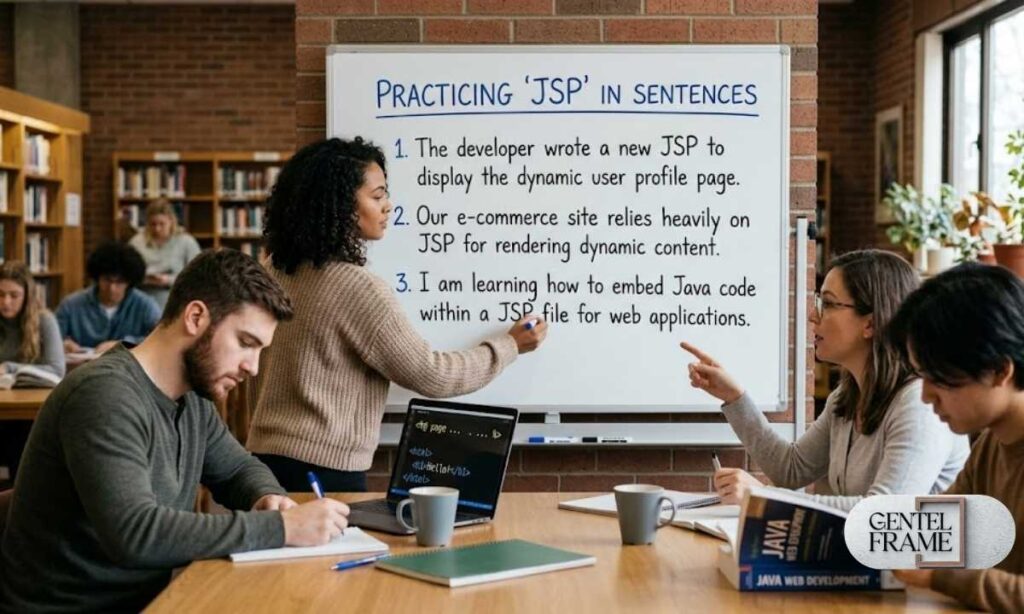
Here is how JSP looks in real conversations, based on its most common meanings.
- “You seriously thought I forgot your birthday? JSP, I got your gift already.” (Just Playing)
- “You should probably call her back. JSP.” (Just Saying)
- “Wait, are we actually broke up or JSP?” (Just Stop Playing)
- “Are we still hanging out tonight? jsp yet, I’ll let you know.” (je sais pas / I don’t know)
- “I have a huge test tomorrow and jsp anything on the material.” (je sais pas)
Reading the full sentence, not just the abbreviation, is the fastest way to tell which meaning applies.
Variations and Related Slang
JSP rarely travels alone. It often shows up next to other short abbreviations that serve a similar purpose in fast paced chats.
- JK – Just Kidding
- IDK – I Don’t Know, the English equivalent of je sais pas
- SP – Stop Playing, an even shorter version of one JSP meaning
- FR – For Real, often used to confirm something is not a joke
- NGL – Not Gonna Lie, used before an honest or blunt opinion
- JS – Just Saying, sometimes used interchangeably with one JSP meaning
Knowing these related terms makes it easier to read a full sentence in context and land on the correct meaning of JSP within it.
Is “JSP” Safe for Kids?
Yes, JSP is generally considered harmless slang. It does not carry any inappropriate, explicit, or dangerous meaning in its common uses. Parents and teachers who see JSP in a child’s messages do not need to be concerned about the term itself.
That said, a few points are worth knowing:
- JSP is mostly used among teens and young adults, so younger kids may not fully understand when a message is a joke versus a serious statement.
- Because JSP softens tone, it can sometimes be used to walk back something hurtful after the fact, which is more about the surrounding conversation than the abbreviation itself.
- If a child regularly uses texting slang you do not recognize, asking them to explain it is a simple, low pressure way to stay in the loop without overreacting to normal digital communication.
When to Use (and Avoid) “JSP”
JSP works well in casual settings but does not translate everywhere.
Good times to use JSP:
- Texting friends or family in a relaxed conversation
- Commenting on TikTok, Instagram, or Snapchat posts
- Softening an opinion so it does not sound like criticism
- Letting someone know a message was a joke
Times to avoid JSP:
- Work emails, client messages, or professional chats
- Conversations with someone who may not know internet slang, including older relatives or non native English speakers
- Serious conversations where clarity matters more than casual tone
- Formal writing, resumes, or school assignments
When in doubt, spelling out the full phrase instead of the abbreviation removes any risk of being misunderstood.
Conclusion
JSP is a short abbreviation with several possible meanings, and the right one almost always depends on the conversation around it. Most of the time it means “Just Playing,” letting someone know a comment was a joke. It can also mean “Just Saying,” “Just Stop Playing,” or the French “je sais pas,” and in tech spaces it refers to JavaServer Pages entirely.
The safest approach is simple: read the full message, consider the platform, and match the tone. Once you know the different meanings, JSP becomes easy to spot and even easier to use correctly.
